CoVA Karate | Virginia Beach
Different Experience. A Common Training Framework.
CoVA Karate's instructors bring different backgrounds and decades
of martial arts experience to the dojo, but students are not
training under three competing approaches.
The instruction is organized around a shared traditional Okinawan
karate framework emphasizing kata, movement, posture, structure,
balance, coordination, timing, body awareness, kobudo, partner
work, and practical application.
Each instructor brings a different perspective to that study.
Those differences give students additional ways to understand,
examine, and improve the same underlying material.
Meet the Instructors
CoVA Karate Instructional Team
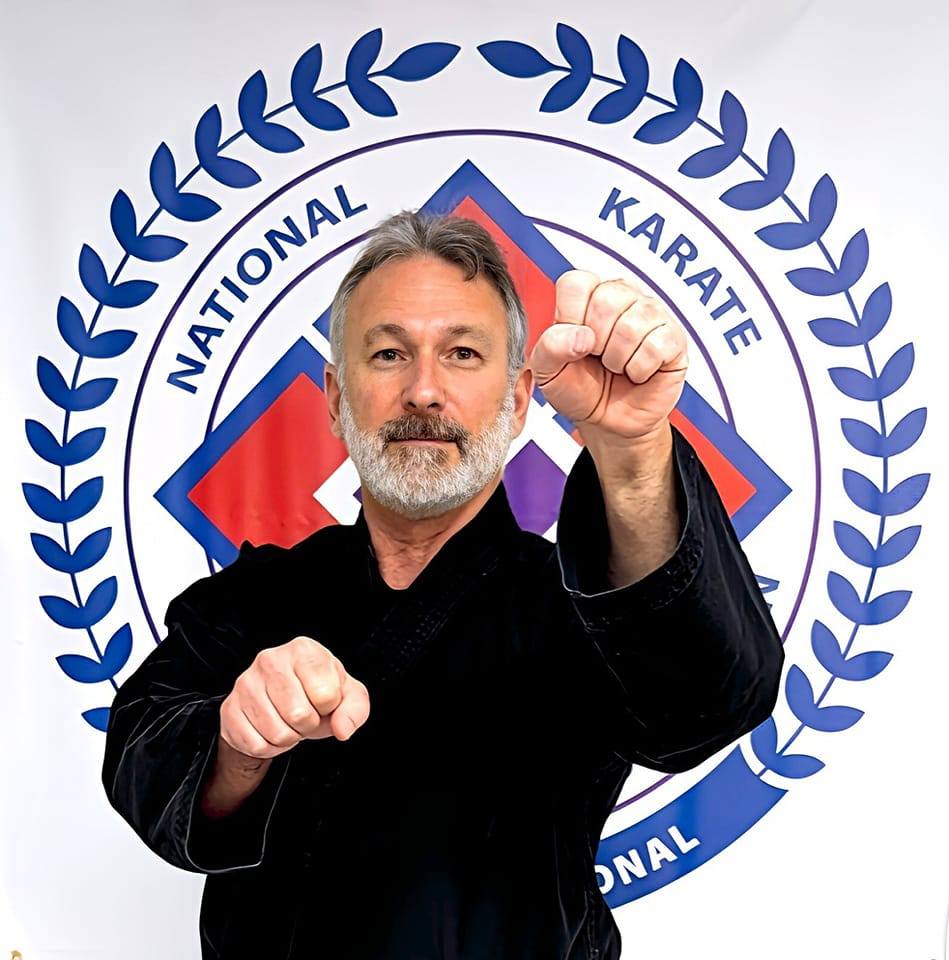
Owner & Director
Sean Schroeder
7th Dan, Karate-do
6th Dan, Okinawan Shorin-ryu
Sean leads CoVA Karate and organizes the dojo's training
around traditional Okinawan Shorin-ryu, kata, movement,
posture, structure, balance, timing, body awareness,
kobudo, partner work, and practical application.
His approach begins with learning the structure of the
material and then developing the ability to understand
and adapt the principles within it.
Meet Sean Schroeder
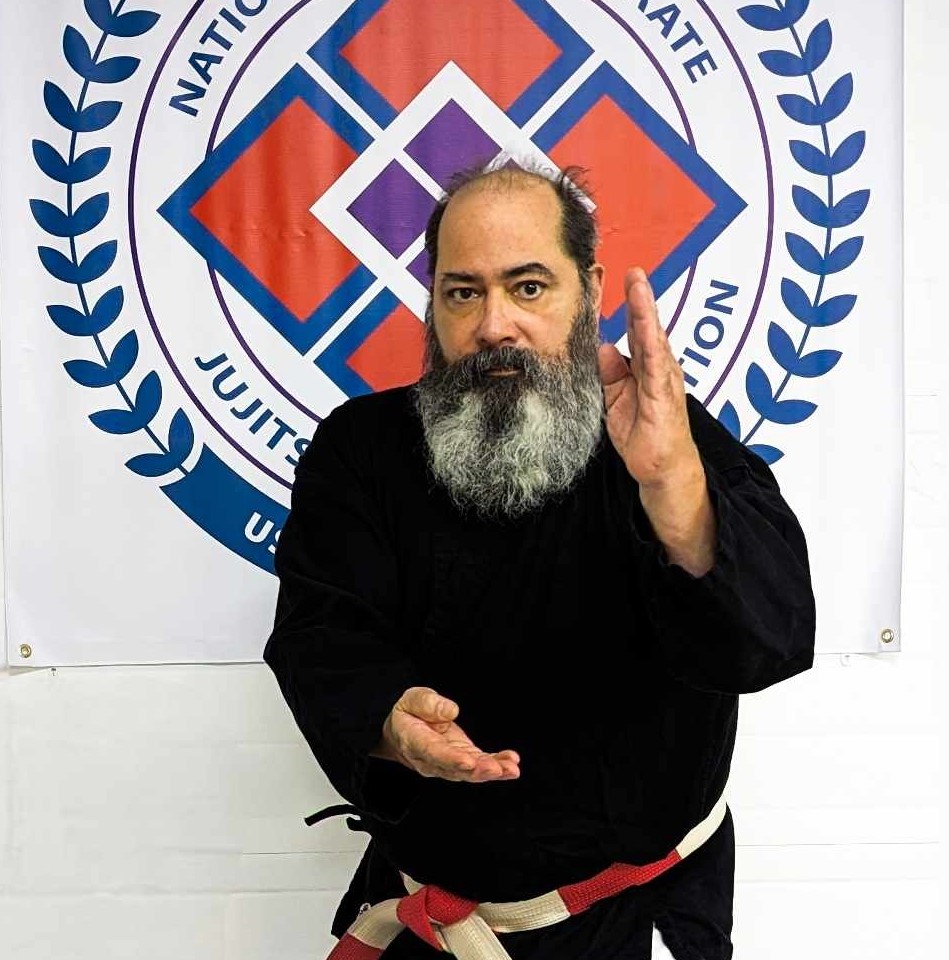
Senior Instructor
David Colaizzi
8th Dan, Karate-do (NKJF)
7th Dan, Kobayashi Shorin-ryu
David brings decades of traditional karate experience,
including long-term study in Kobayashi Shorin-ryu.
His teaching places particular value on strong technical
foundations, timing, connected movement, and understanding
how individual techniques eventually become part of a
more integrated way of moving.
Meet David Colaizzi
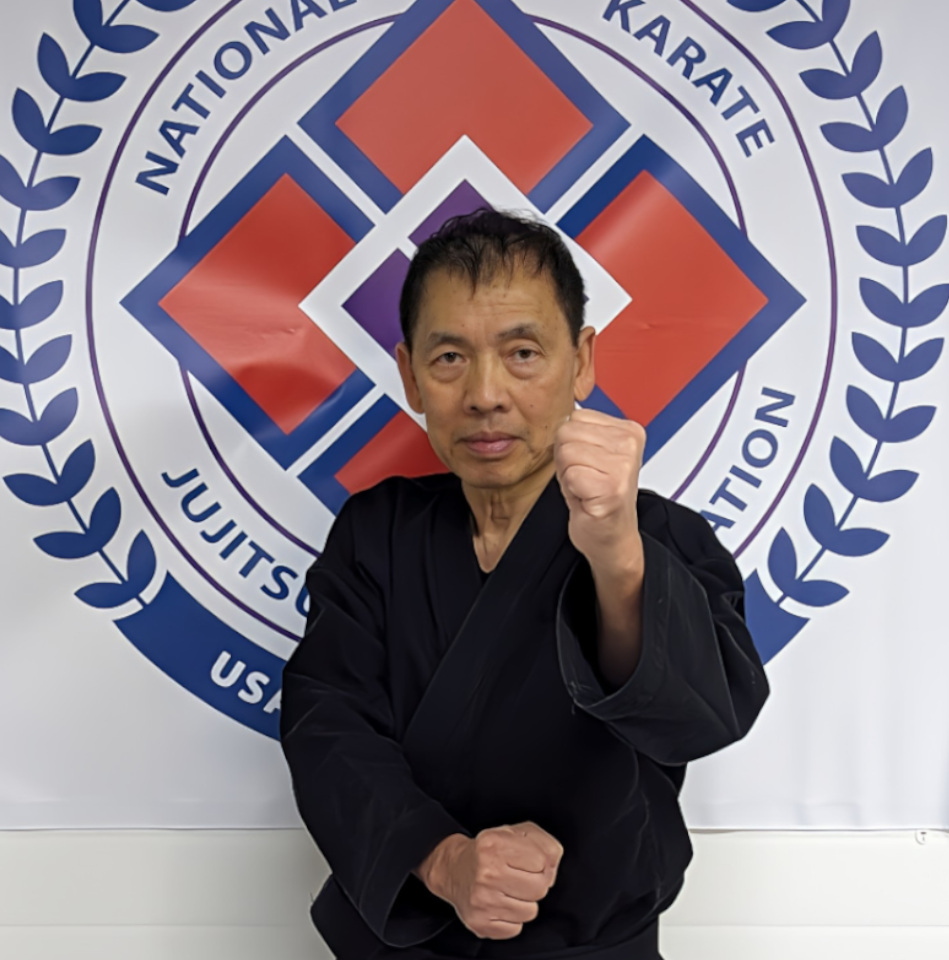
Instructor
Vinh Dinh
5th Dan Renshi (NKJF)
Vinh brings a broad martial arts background that includes
Okinawan karate and kobudo, Filipino Martial Arts, and
Tai Chi.
That experience gives him additional perspectives on
movement, coordination, timing, balance, weapons training,
and the way different martial arts organize the body.
Meet Vinh Dinh
Shared Training Principles
What Connects the Instruction
Different instructors notice different details, but the training
at CoVA Karate is built around a common set of principles.
Kata
Kata provides the central framework for studying movement,
transitions, structure, timing, breathing, balance, and
the organization of technique.
Movement & Body Awareness
Students learn to recognize how the feet, knees, hips,
torso, shoulders, and hands work together rather than
treating techniques as isolated actions.
Posture & Structure
Stance, alignment, posture, pressure, and balance are
studied as connected parts of stable and efficient movement.
Timing & Coordination
Training develops the ability to sequence and coordinate
movement so the body functions as a connected system.
Kobudo
Okinawan weapons training provides another way to study
distance, alignment, timing, coordination, structure,
and movement.
Partner Work & Application
Controlled partner training allows students to examine
what kata is organizing and how those principles function
when another person is involved.
One Dojo, Multiple Perspectives
Experienced Instructors Should Not All Notice the Same Things
Long-term practice changes what an instructor sees.
Sean's teaching emphasizes the structure and principles within
traditional Okinawan Shorin-ryu. David brings decades of
Kobayashi Shorin-ryu experience and particular attention to
technical foundation and connected movement. Vinh brings experience
from several martial arts traditions in addition to Okinawan
karate and kobudo.
Those differences are useful because students do not all learn
movement in the same way. One explanation may immediately make
sense to one student while another instructor may notice the
detail that helps someone else understand the same problem.
The curriculum remains consistent. The instructors bring different
experience to the process of helping students understand it.
Adult-Focused Instruction
Teaching Adults as Adults
CoVA Karate is built primarily around adult students.
Some arrive with years of martial arts experience. Some practiced
when they were younger and are returning after decades away.
Others begin karate for the first time in their 30s, 40s,
50s, or later.
Adults also bring different questions. They often want to
understand why a movement is performed a particular way, how
different parts of the body connect, and what they should be
paying attention to as their training develops.
Having several experienced instructors gives students access to
different explanations, different observations, and more
opportunities for meaningful correction while still training
within the same curriculum.
Serious teens age 17 and older may also train within the adult
environment.
Long-Term Practice
Learning the Movement Is Only the Beginning
A student can memorize a technique or kata relatively early in
the learning process. That does not mean the study is finished.
Continued practice reveals smaller details: balance during a
transition, the relationship between the feet and hips, when
tension appears unnecessarily, how timing changes a technique,
and how one movement prepares the next.
Experienced instructors help students recognize those details
and continue developing after the basic sequence has already
become familiar.
That is one reason traditional karate can remain a long-term
practice rather than something that ends once a student learns
the movements.
Educational Resource & Training Dojo
VirginiaShorinRyu.com and CoVA Karate
VirginiaShorinRyu.com is an educational resource
for traditional Okinawan Shorin-ryu. It provides background on
the instructors, lineage, kata, movement, training principles,
and methods of study associated with the art.
CoVA Karate is the Virginia Beach dojo where
Sean Schroeder, David Colaizzi, and Vinh Dinh teach and where
these ideas are practiced in person.
A website can explain an instructor's background and teaching
philosophy. The dojo is where students experience how that
knowledge is actually communicated, corrected, and developed
through training.
Experience the Dojo
Meet the Instructors by Training With Them
Instructor biographies can tell you about rank, experience,
background, and teaching philosophy. They cannot tell you what
it feels like to actually train in the dojo.
Audit CoVA Karate, meet the instructors, experience the adult
training environment, and decide whether the dojo fits what
you are looking for.
Audit CoVA Karate Before You Enroll