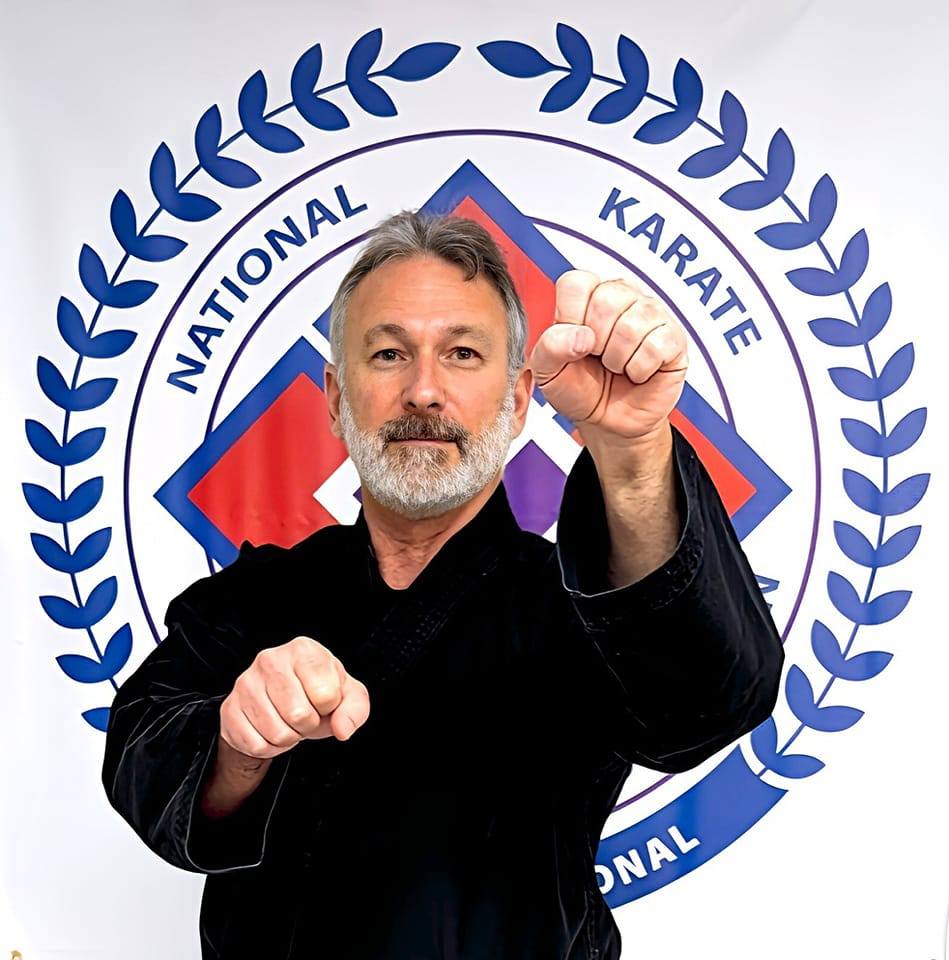
Owner & Director of CoVA Karate
An Okinawan Shorin-ryu Instructor in Virginia Beach
Sean Schroeder is the owner and director of CoVA Karate in Virginia Beach, Virginia. His teaching is grounded in traditional Okinawan Shorin-ryu and organized around the study of kata, movement, posture, structure, balance, coordination, timing, body awareness, kobudo, partner work, and practical application.
Rather than treating karate as a collection of techniques to memorize, Sean approaches it as a long-term study of movement. Students first learn the structure of the material, then work toward understanding how and why it functions.
Structure first. Adaptation second.
Rank & Recognition
Credentials
7th Dan
Karate-do
6th Dan
Okinawan Shorin-ryu
Karate-do and Okinawan Shorin-ryu ranks are separate recognitions and are identified according to the system in which they were awarded.
Teaching Approach
Karate as a Study of Movement
Sean emphasizes posture, structure, balance, coordination, timing, and body awareness as connected parts of karate practice. A stance affects the hips. The hips affect the torso. The torso affects the shoulders and hands. Timing and breathing affect how those movements come together.
The goal is not simply to reproduce a technique because that is how it appears in a kata. Students learn the form carefully, understand what it is organizing, and then develop the ability to adapt those principles without discarding the tradition that gives them context.
Training is progressive. Repetition establishes the framework. Correction improves it. Continued practice develops the student's ability to recognize and control increasingly smaller details.
What Sean Emphasizes in Training
Kata
Kata provides the central framework for studying movement, transitions, structure, timing, breathing, balance, and the organization of technique.
Movement & Body Awareness
Students learn to recognize how the feet, knees, hips, torso, shoulders, and hands work together instead of treating techniques as isolated actions.
Posture & Structure
Stance, alignment, pressure, posture, and balance are studied as interconnected parts of efficient and stable movement.
Timing & Coordination
Karate requires more than strength. Students practice how movement is sequenced, coordinated, and timed so the body works as a connected system.
Kobudo
Okinawan weapons training provides another way to study distance, alignment, coordination, movement, and the transmission of force through the body.
Partner Work & Application
Controlled partner training provides a way to examine what kata is organizing and test those principles against another person rather than treating kata as an isolated performance.
The Training Framework
Kata Is More Than Choreography
Learning a kata begins with basic organization: where the feet go, where the hands belong, how the stance is formed, and how one movement connects to the next.
Early practice can look deliberate or mechanical because the student is learning those individual pieces. With continued training, those pieces begin to connect and the movement changes.
The kata remains the reference, but the deeper subject is movement. That is why the same kata can continue to provide material for study long after its basic sequence has been memorized.
Noel Smith
8th Dan Shorin-ryu Shorinkan
Training Lineage
Connecting the Training to Okinawa
Sean's Okinawan Shorin-ryu training connects through a teaching lineage extending from Okinawa to Virginia:
Choshin Chibana → Shugoro Nakazato → Noel Smith → Sean Schroeder
Lineage provides historical and instructional context. It identifies the tradition through which the material was transmitted and helps explain why particular kata, principles, and training methods are studied.
Lineage alone, however, is not the practice. The work remains continued training, correction, examination, application, and development within the art.
Adult-Focused Instruction
Teaching Karate to Adults
CoVA Karate is built primarily around adult students. Adults often arrive with different goals, responsibilities, previous experiences, and physical considerations than younger students.
Some are returning to martial arts after many years away. Others are beginning for the first time in their 30s, 40s, 50s, or later. Some want to improve the way they move. Others want the challenge and depth of a traditional martial art without joining a fight gym or a school built primarily around children's classes.
Sean's teaching emphasizes progressive study, individual correction, and developing capability over time. Students are expected to practice, think, ask questions, make corrections, and gradually take greater responsibility for their own training.
Serious teens age 17 and older may also train within the adult environment.
CoVA Karate | Virginia Beach
Experienced Instruction at the Dojo
Sean leads CoVA Karate with experienced instructors who contribute to the dojo's teaching environment and the continued study of traditional karate.
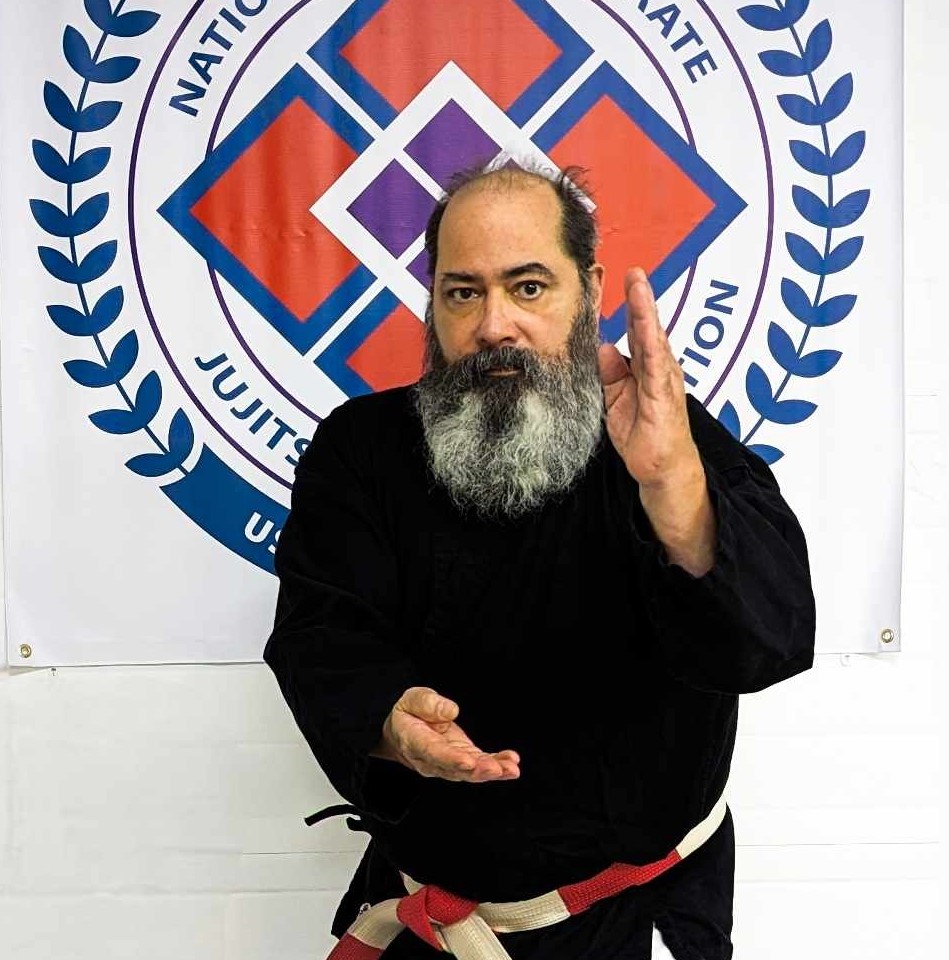
David Colaizzi
Senior Instructor
8th Dan Karate-Do (NKJF)
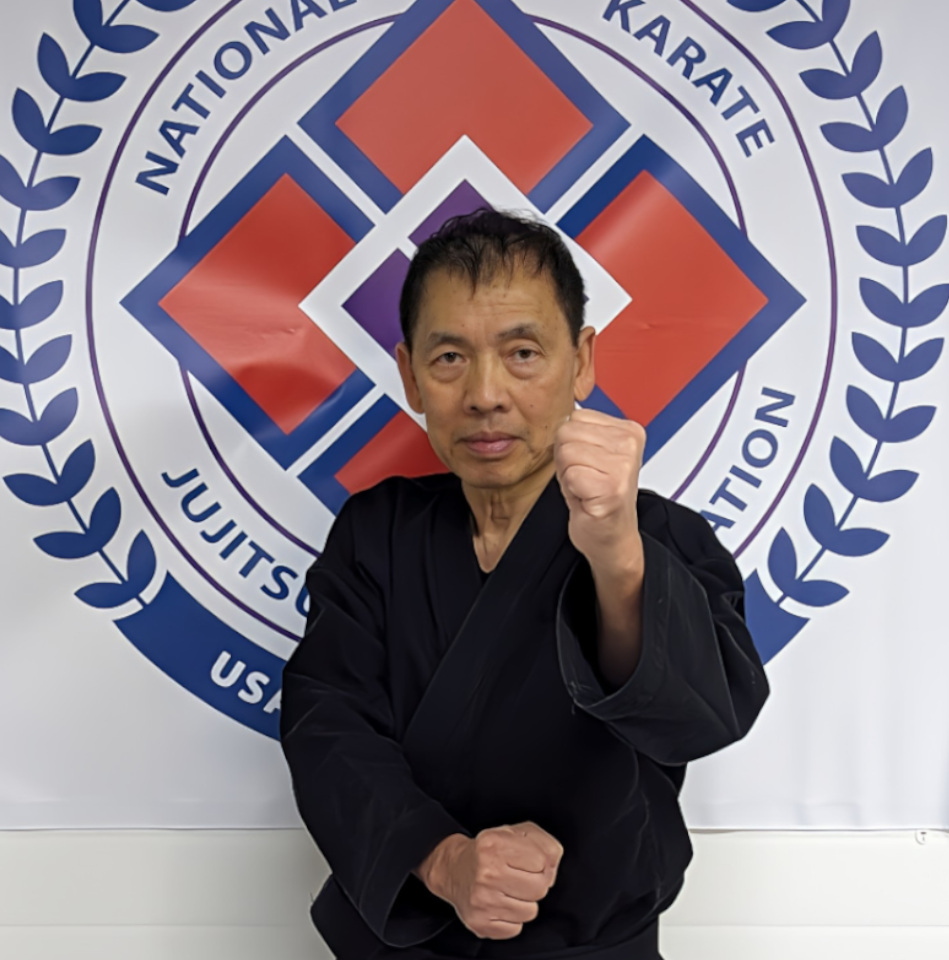
Vinh Dinh
Instructor
5th Dan Renshi (NKJF)
Their backgrounds are addressed separately so this page can remain focused on Sean's role, teaching approach, and relationship to CoVA Karate.
VirginiaShorinRyu.com and CoVA Karate
VirginiaShorinRyu.com is an educational resource for traditional Okinawan Shorin-ryu: its lineage, kata, principles, movement, and methods of study.
CoVA Karate is the Virginia Beach dojo where Sean teaches and where those ideas are practiced in person.
The website can explain the material. The dojo is where the movement is practiced, corrected, tested, and developed over time.
Experience the Dojo
Audit CoVA Karate Before You Enroll
An instructor biography can tell you where the training comes from and what the instructor values. It cannot show you what being in the class actually feels like.
Audit CoVA Karate, experience the adult training environment, and see how the instruction fits what you are looking for.
Audit CoVA Karate Before You Enroll